THE NU-BAA RITUAL LIBRARY

5 habits that may be costing you length.

Still noticing broken ends? Discover five common breakage triggers and the practical swaps that can make your routine gentler.

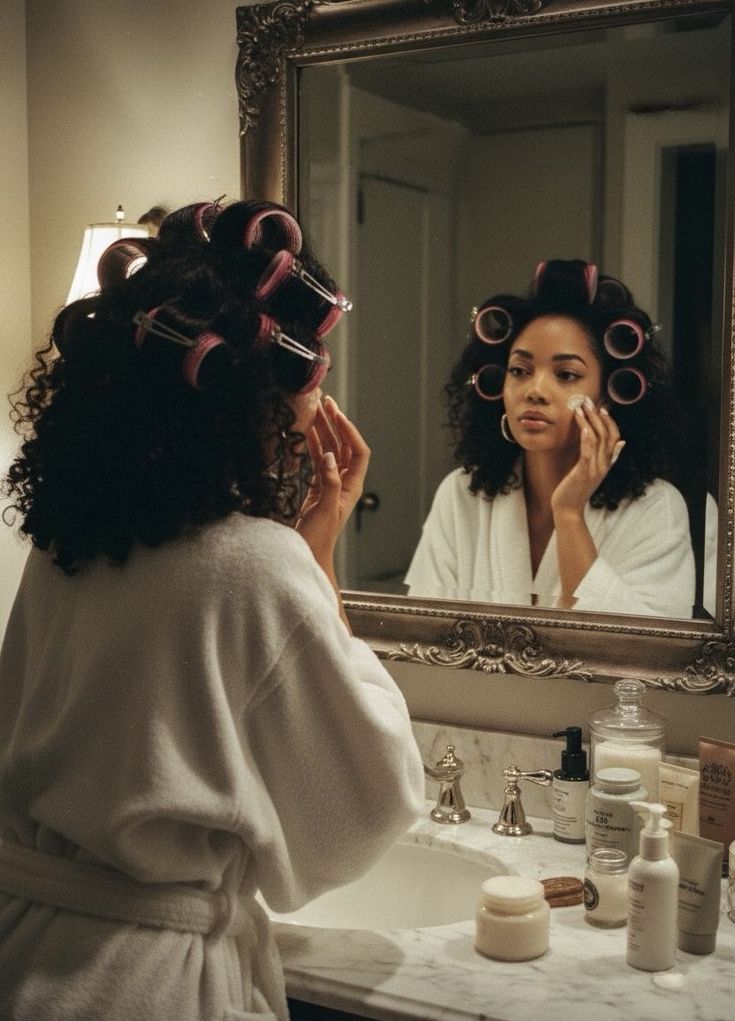
Editorial photograph of a Black woman caring for textured hair

01 / 01 / WASH DAY

Is your hair breaking on wash day?

If detangling feels like a battle, repeated pulling and combing can snap fragile strands.

THE SWAP More slip. Smaller sections. Ends first.

OPEN THE 3-STEP GUIDE

Your three-step reset

  1. Add slip. Work with damp, conditioned hair or a detangling product that gives enough glide.
  2. Section before you comb. Hold a small section above the tangle and begin with your fingers or a wide-tooth comb.
  3. Work upwards. Gently release knots from ends towards roots. Don't force a stubborn snag.

THE RULE · Slip first. Ends before roots.
Editorial portrait of a Black woman with long braids

02 / PROTECTIVE STYLES

Your braids shouldn't have to hurt.

Tight braids, heavy extensions or constant pulled-back styles put tension on the hairline.

THE SWAP Loosen the style, lighten the weight, protect your edges.

OPEN THE 3-STEP GUIDE

Your three-step reset

  1. Notice the warning signs. Pain, tenderness or bumps are reasons to loosen or remove a tight style.
  2. Vary the tension. Avoid pulling the same hairline into tight styles repeatedly.
  3. Care beneath the style. Cleanse and condition as needed, without leaving high-tension styles in place too long.

THE RULE · Pain is not proof a style will last.

Editorial portrait of a Black woman with styled hair

03 / MOISTURE & CONDITIONING

Using oil but skipping conditioner?

Oil can add slip or softness, but it doesn't replace washing and conditioning the hair.

THE SWAP Condition your lengths and ends after shampooing.

OPEN THE 3-STEP GUIDE

Your three-step reset

  1. Cleanse gently. Focus shampoo on your scalp and avoid roughly rubbing the lengths together.
  2. Condition each wash. Work conditioner through mid-lengths and ends, following the product instructions.
  3. Finish thoughtfully. Add a little suitable leave-in or oil if your hair benefits. Oil is not a substitute for conditioner.

THE RULE · Conditioner is a foundation, not an optional extra.

NU-BAA Rituals botanical haircare editorial photograph

04 / SCALP CARE

Are you stretching wash day too long?

Oil and product build-up don't disappear on their own. A scalp that needs cleansing may feel itchy or uncomfortable.

THE SWAP Cleanse when your scalp needs it, not by a rigid schedule.

OPEN THE 3-STEP GUIDE

Your three-step reset

  1. Check your scalp. Notice build-up, oiliness, discomfort or itching.
  2. Cleanse gently. Use a suitable shampoo on your scalp and rinse thoroughly.
  3. Follow with conditioner. Adjust wash frequency to your scalp, styling and product use.

THE RULE · A clean scalp is part of the ritual.

Black woman with elegantly styled textured hair

05 / STYLING

The damage you don't see between wash days.

Frequent heat, rough towels and repeated pulling can accumulate damage even if wash day is gentle.

THE SWAP Less friction. Less tension. Fewer hot-tool passes.

OPEN THE 3-STEP GUIDE

Your three-step reset

  1. Dry gently. Blot or squeeze rather than rubbing hair vigorously with a towel.
  2. Turn down the heat. Use a suitable heat protectant and limit direct heat when possible.
  3. Protect at night. Try a loose protective style and a satin or silk bonnet, scarf or pillowcase.

THE RULE · Small daily habits can help protect fragile ends.

NU-BAA RITUALS

THE LENGTH RETENTION RITUAL

RITUAL LIBRARY · VOL. 01
A GIFT FOR YOUR CROWN

Your free length-retention ritual.

Take your next step with our complimentary guide to gentler detangling, caring for ends and building an intentional routine for textured hair.

By subscribing you agree to occasional NU-BAA haircare and product emails. Unsubscribe anytime. Privacy policy.

Prefer not to subscribe? Read the free guide